


Where do I look to book a show?
The route is mapped and the cities are empty: where Tash goes to find venues, promoters and bands in a town she has never played, and how to ask without making anyone roll their eyes.
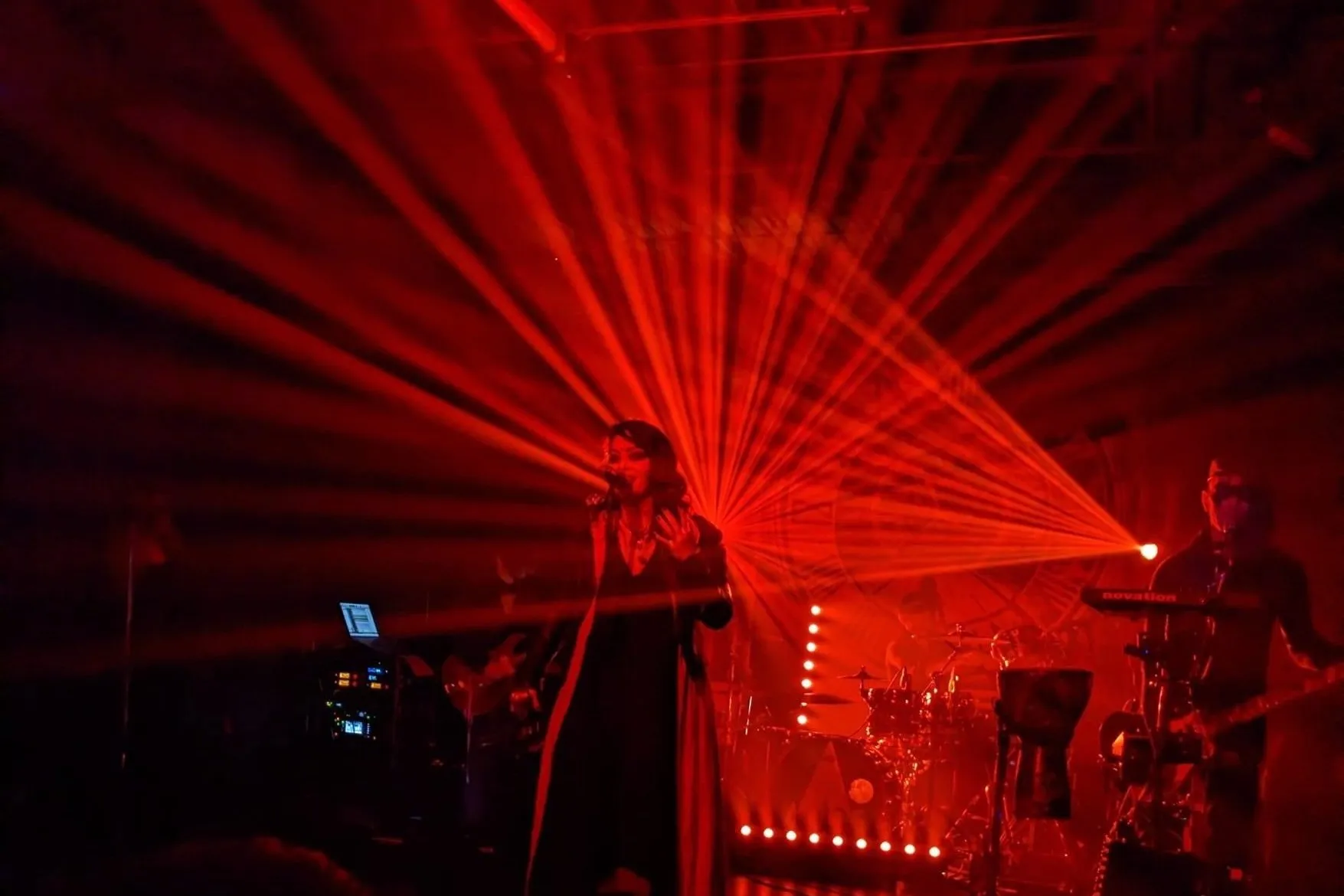
After mapping out my route and putting a sample route into Tourouter, I start going down my list and connecting with people from each city. I first contact the people with whom I have solid connections and history. These are the cornerstones in my tour and are good places to plan on making a solid show happen.
Start with the community
If I’m completely new to a region, I will do a search on the DIY Tour Postings group on Facebook for that particular city. There are often some great recommendations from the community, and they also can offer some advice if you post any questions. In some cities, you’ll see venues, promoters, or bands to play with that are a good place to start connecting.
The group is the newest version of a very old idea. On the first episode of the podcast, drummer Jon Siren described how the older guys in his nineties Ohio bands found shows before any of this was online.
From episode 1 · February 19, 2024
Jon Siren
Jon Siren on Book Your Own Life, the printed directory DIY bands used to find each other before Facebook groups existed.
“There was a booklet called Book Your Own Life, and I think it ended up being a website at one point in the early stages of the internet. Bands and promoters and bookers all put their information in this sort of catalog, so that other people could look at it and be like, oh, there’s somebody in Duluth, let’s go contact them, because we’re driving in that area and it’d be great to have a show.”
The full title was Book Your Own F***in’ Life, and Maximum Rocknroll put out the first edition in 1992. It grew out of the magazine’s own tour listings: page after page of bands, bookers and venues, sorted by state, each of them happy to hear from a band they had never met. Swap the paper for a Facebook group and it is the same arrangement Tash uses now. The first edition has been scanned on the Internet Archive if you want to see what it looked like.
Let the local bands show you the scene
Some venues are pretty DIY in that you will be putting together the lineup yourself. You have a great opportunity here to familiarize yourself with the music scene in this city and get more aware of bands that are actively playing shows in their area. Make sure to pay attention to their social media and make sure the bands are still around. I’ve seen a fair share of bands that have disbanded, so take note of the ones who are actually still playing shows.
Adam Smith of Stars Don’t Mean Anything has booked DIY shows from Albuquerque to the Bay. On episode 11 he was asked how he books a city he has never been to, and his search starts the same way.
From episode 11 · March 24, 2025
Adam Smith!
Adam Smith of Stars Don’t Mean Anything on finding the right bands in a new city, and why he writes to them before any venue.
“Nowadays I’ll go on Bandcamp and I’ll search the genre and the city. Or you can find the venues first and look at their flyers, and see if they have videos of a really sick show, a lot of people are there and there’s a band playing. Check out that band, if they sound like you, if they’re on a similar level.”
The flyer tip is a good one. An old flyer shows you which bands a room already books and who put the night together, and most venues leave a month of them up on Instagram. “On a similar level” matters too. A band drawing about the crowd you draw is the one most likely to write back, because a show with you is useful to them as well.
There are also many bands who are very helpful in pointing you in the right direction, even if they’re not available to play a show with you. Keep in mind that the music community is one in which many people are happy to help support each other. Sure there are instances that are not in that line of thinking, but I like to think of our community as one in which we all succeed if we help each other.
Adam said the same thing a minute later, and went one step further: write to the bands first.
“You hit them up and just say, hey, we’re trying to book a show, we kind of sound alike, I really like your band, can you help us out? Most of the time bands reply, and if they aren’t able to help out then they are able to point you in a direction too. There’s nothing wrong with cold emailing bands. I recommend finding bands before promoters or venues.”
Some etiquette notes
Some etiquette notes that might be helpful. When you message someone, research their preferred contact method. I find that often people prefer email with a small minority of people that like to communicate on specific platforms (FB, IG, their own website contact form, and (rarely) phone). The email address is usually listed on the About section.
Also something to research is if venues don’t have shows on certain nights of the week. I’ve made the mistake myself of asking for a show on a day that the venue doesn’t host shows and can literally feel the eye roll of the person I’m communicating with when I do. Lesson learned on my part…do a little research.
That one is cheap to avoid. A venue’s own calendar will tell you which nights it runs live music, and a month of its Instagram will tell you the same thing faster. If every show on the page is a Thursday, Friday or Saturday, a Tuesday is not a date they forgot to fill.
The research runs in both directions. Elizabeth Inglese books shows in Seattle as YES Music Productions, and on episode 9 she explained what happens when a band’s message leaves the looking-up to her.
From episode 9 · March 10, 2025
Elizabeth Inglese of YES Music Productions
Elizabeth Inglese of YES Music Productions on why an ask with nothing attached hands the promoter homework they do not have time for.
“That’s their first impression of you, and that shows that you’re a professional, even if you’re brand new and got two songs… Because if not, what you’re doing is you’re giving the talent buyer, the booker, the promoter homework. Like, cool, I guess I will go and look you up, and maybe I have time, but a lot of these talent buyers do not have time. They’ve got a million requests coming in for shows.”
Another thing to make sure you’re careful with is if you’re copying and pasting an email to a person, make sure you’re addressing the email to the right person. Yup, you guessed it. I’ve made that mistake as well. (facepalm)
Grace for the mistakes
I’ve made oh so many mistakes when putting together tours and will continue to do so. Something about being human here… ;) Remember to have grace for yourself when putting together a tour and making mistakes. My hope in writing this is that I can help some of you sidestep some of the mistakes I’ve made and make the process a little easier and more doable for you.
Daniel Graves has been making music as Aesthetic Perfection since he started it in Los Angeles in 2000. On episode 28 he used the same word Tash does, talking about the whole job rather than booking.
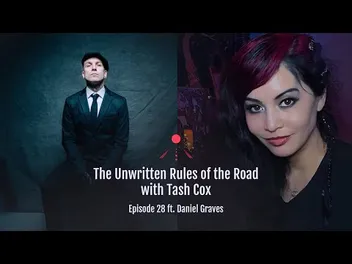
From episode 28 · February 9, 2026
Daniel Graves
Daniel Graves of Aesthetic Perfection on treating the whole thing as a skill you are still learning, twenty-five years in.
“We’re all just kind of figuring it out as we go. And that’s okay. You have to give yourself enough grace to say, like, I’m imperfect, I make mistakes. But you have to at least be working to correct those mistakes… It’s all skill. It’s all learned. You just got to be humble enough to say I need to learn that skill.”
A list of resources
DIY Tour Postings on Facebook - I love, respect, and greatly appreciate this amazing community. Some helpful hints is to do some leg work yourself before you jump in and immediately ask for shows. I’d do some searches in the group and get a feel for the vibe of the group. People are wonderfully helpful, but there are definitely some great guidelines to take note of when coming in and asking for help.
Use the search inside the group rather than the main Facebook search, and search the city name on its own. Chances are another band has already asked about that city, and the replies under their post are the useful part: which rooms people recommend, and who actually wrote back.
Yelp - yes, I will go directly into Yelp and do a search for live music for a city I’m trying to book in. I’ll scour the reviews and see where our music might fit. From there, I’ll do a search for that particular venue to see what the best method of contact is.
That link opens a live music search. Put the city you are booking in the location box. Reviews are the point here, not stars: people describe the room, the crowd and the sound in a way a venue’s own website never will.
Google - nothing like Uncle Google to search for subcultures, bands, venues, and promoters in a particular city. This method doesn’t always work, but it can help you find some leads if you’ve hit a wall.
Search the subculture rather than the word venue. A night has a name, and the name is what people write down: goth night, doom night, open decks, whatever your corner of it is called in that town. That example searches for one, in one city.
Friends - if I have friends in a particular city, they sometimes can offer really valuable advice in terms of places to play or people to play with or work with.
Posting on your own social media wall - putting the word out that you’re looking for advice or help can be pretty vulnerable, but I find almost invariably that people WANT to help.
TLDR
Resource List:
- DIY Tour Postings Group on Facebook
- Use Search function for the city you’re looking into
- Make note of venues, promoters, and bands in the area
- Start with the people you already know. They are the cornerstones.
- Write to the bands before the venues, and pick the ones on your level.
- Check the contact method and the nights that room runs shows before you send anything.
- Have grace for yourself. Everyone in this is still learning it.